Rotational Molding: A Sustainable Approach to Plastic Manufacturing
On earth of manufacturing, the pursuit of greater materials never ends. Plastics Rotomolding, a flexible process noted for creating hollow plastic services and products, is no exception. The get to enhance efficiency and durability has led to the exploration of new materials that assurance to elevate that method's potential. For organizations counting on rotationally molded services and products, these advancements could suggest stronger, more efficient, and environmentally friendly conclusion products.
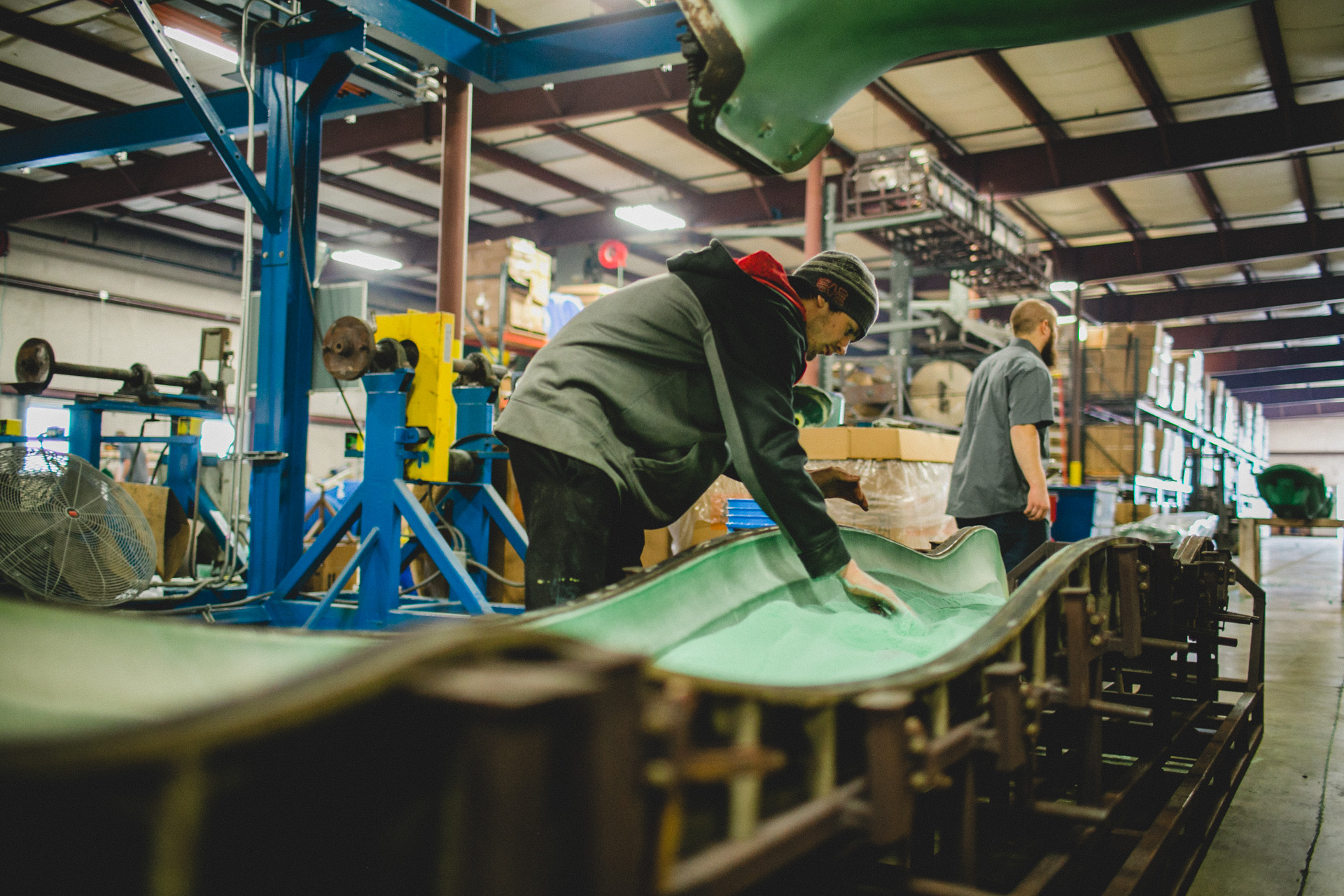
The Requirement for Development in Rotational Molding Rotational molding, or rotomolding, is a choice in making resilient, hollow stuff like tanks, kayaks, and playground equipment. But, conventional products occasionally flunk in conference the growing requirements for power, heat opposition, and environmental sustainability. This requirement for development has spurred study in to novel material choices that can redefine business requirements and broaden the scope of applications. High-Performance Polymers Taking Middle Period Among the interesting developments in substance technology may be the introduction of high-performance polymers. These components offer superior mechanical homes and weight to severe conditions, creating them ideal individuals for rotational molding. For example, advanced polyethylene modifications and abs compounds are increasingly being tested because of their improved longevity and ability to withstand larger conditions, that could somewhat extend the lifetime and consistency of cast products. The Assurance of Bio-Based Resources Sustainability has become an essential aspect in production, driving industries to explore greener alternatives. Bio-based resources, produced from alternative sources, present a encouraging avenue for rotational molding. These materials not only reduce dependence on fossil fuels but also provide similar, or even remarkable, performance characteristics. By establishing bio-based polymers into rotomolding operations, makers can produce eco-friendly products without compromising quality. Handling Difficulties with Composite Options While new materials bring potential advantages, they also present difficulties such as handling problems and price implications. To address these, composite components are getting attention. By combining different polymers or adding reinforcing materials, companies may custom the houses of the product to meet up unique performance requirements. This process not just enhances item power and longevity but also opens up new possibilities for style and application. The Potential of Rotational Molding The exploration of progressive materials in rotational molding scars an important stage toward more efficient, sustainable, and high-performance manufacturing. As these components be more accessible and cost-effective, we could assume a change in the standard and scope of rotationally shaped products. For industries eager to leverage these developments, staying knowledgeable and flexible is likely to be critical to sustaining a aggressive edge in that changing landscape.
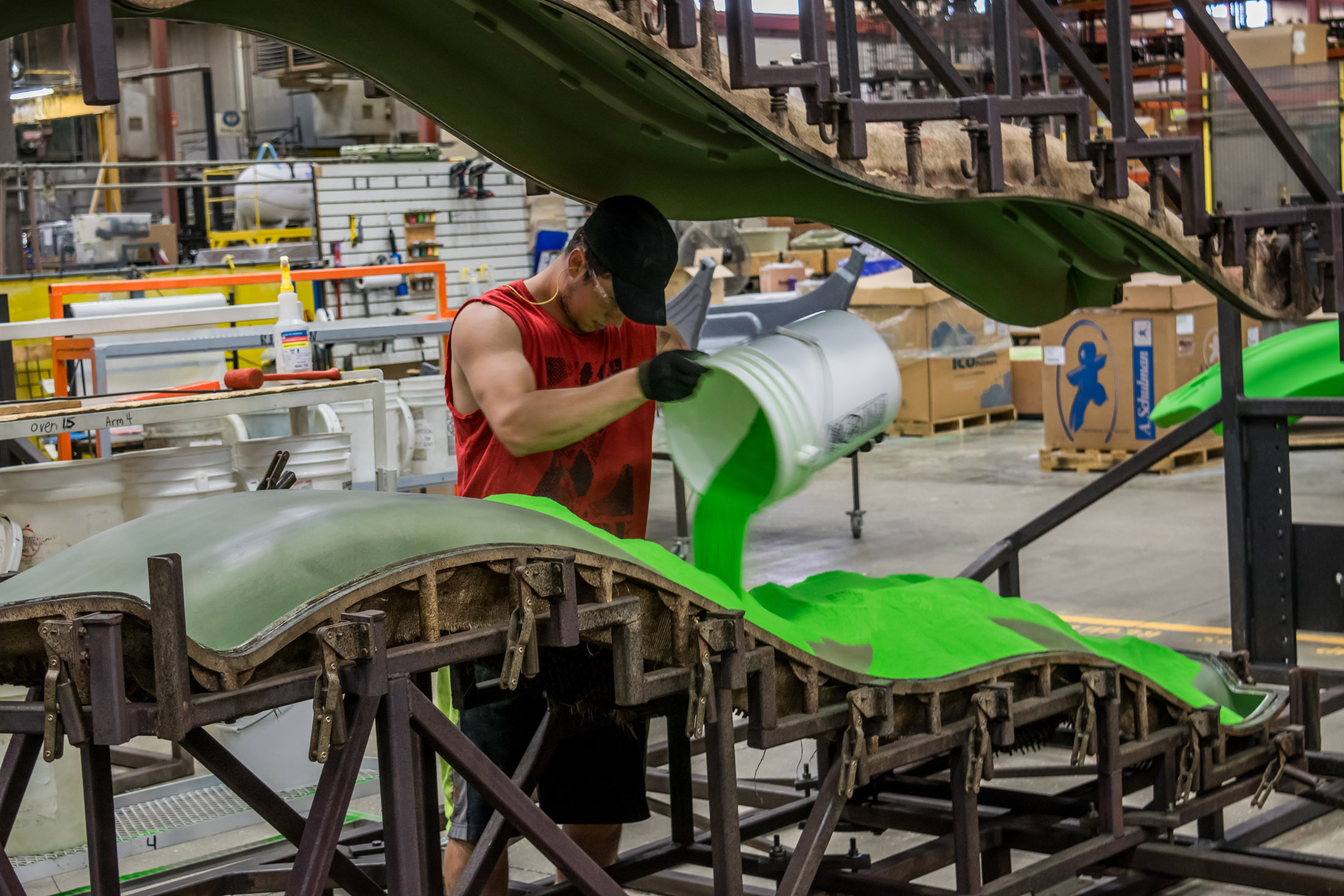
In conclusion, once we venture into the continuing future of rotational molding, the integration of new components holds the promise of unprecedented improvements. By adopting these developments, suppliers can not only increase their solution products but in addition contribute to a far more sustainable and resilient manufacturing ecosystem.