KYC Verification: What Businesses Need to Know for Compliance
In today's fast-paced company earth, ensuring compliance with regulatory standards is paramount. One of the very most important components of that compliance landscape is Know Your Customer (KYC) verification. Knowledge what KYC indicates and its implications may safeguard organizations from scam, income laundering, and other illicit activities. This short article seeks to demystify identity verificaiton, elucidating its importance and how organizations can effortlessly implement these checks to keep compliant.
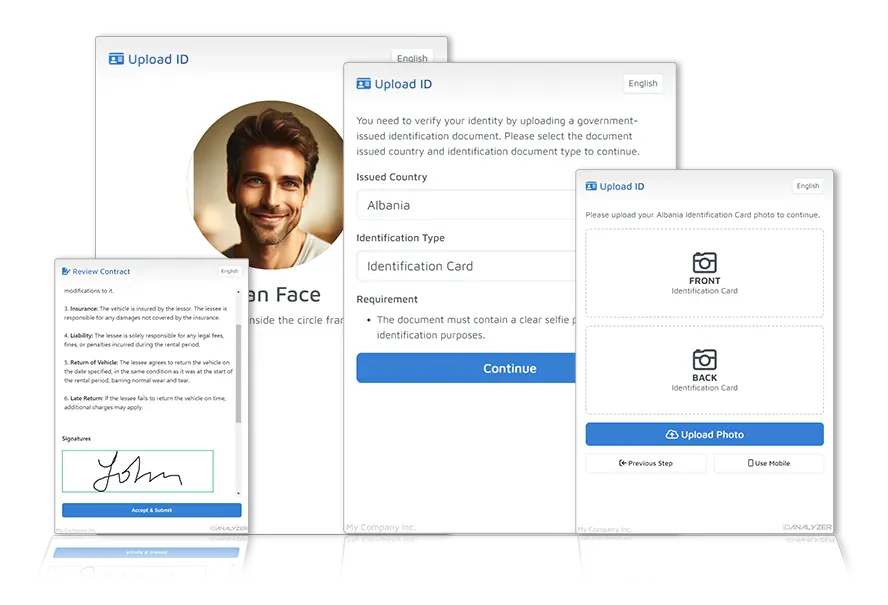
At their key, KYC verification requires determining and verifying the identities of clients. This process guarantees that clients are who they state to be, reducing dangers for financial institutions and other businesses. For companies, especially those in money, adhering to KYC norms is not just about ticking regulatory checkboxes; it's about building trust and defending equally the company and their clients. Ignoring these protocols may cause hefty fines and reputational injury, making compliance a top priority. Employing successful KYC actions involves several steps. First, firms should collect important data from their clients, such as government-issued identification and evidence of address. That documentation acts as a base for verifying a customer's correct identity. Next, organizations must employ sophisticated systems and instruments that cross-reference this knowledge against various databases. This step is crucial in detecting any mistakes or potential red flags. Ultimately, constant checking is vital. KYC isn't a one-time task but a continuous method where businesses should occasionally evaluation and upgrade customer information to adjust to adjusting risk profiles.
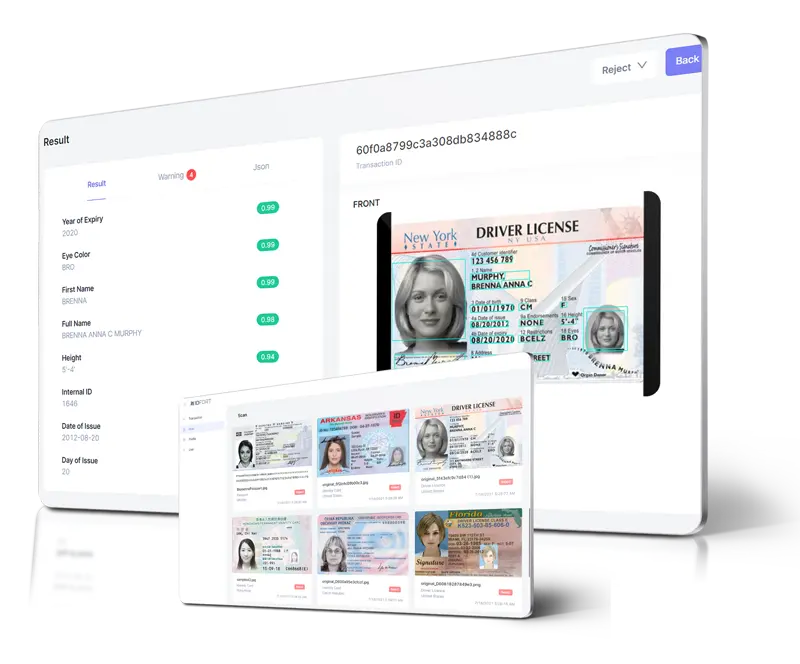
KYC evidence isn't only a regulatory requirement but an ideal measure that protects firms and fosters confidence with customers. By adopting a thorough method of KYC, companies can assure compliance, increase protection, and keep a sterling reputation inside their respective industries. For corporations trying to deepen their understanding of KYC or seeking extensive submission answers, you'll find so many resources available that offer advice and tools tailored to individual needs.